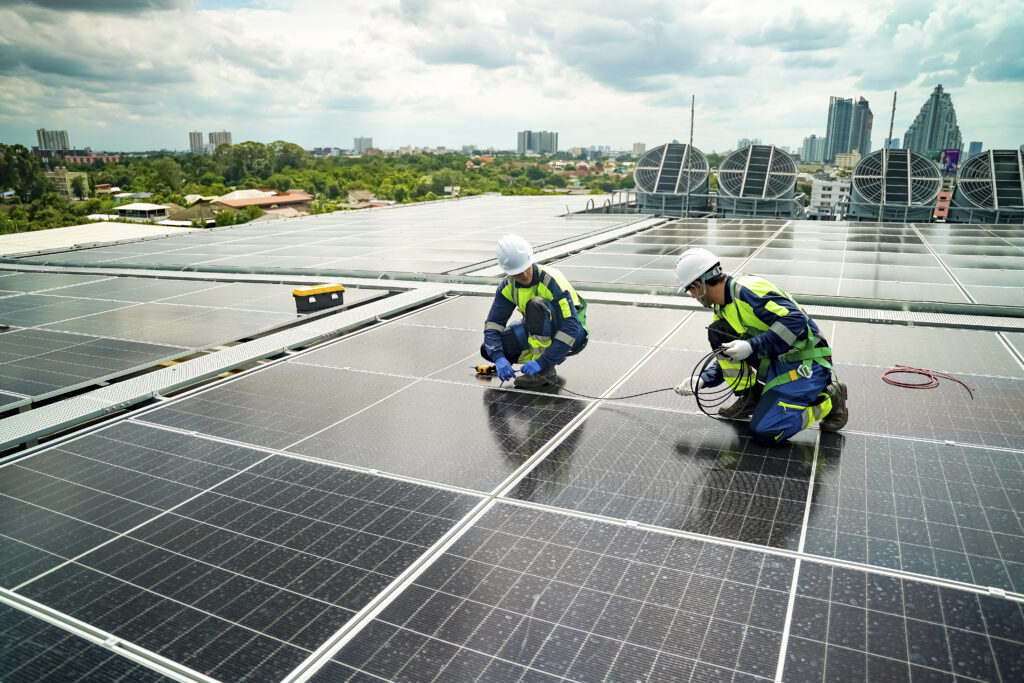
Cables serve as the lifelines of any electrical system, and for the photovoltaic (PV) systems that supply our solar power, choosing the right type of cable is essential. PV cables, also known as solar cables, are specially designed for solar energy installations, setting them apart from the usual cables used for general electrical purposes. With the gradual shift towards low-carbon solutions, especially in the Philippines, where the government is aiming for a 35% share of renewable energy in the nation’s power generation by 2030, it is important to underline the importance of PV cables in harnessing sustainable energy.
What are PV cables?
In PV systems, solar cables are the ones responsible for interconnecting the solar panels, inverters, and other components of PV systems. Effective PV cables play the part of safely and efficiently transmitting the current generated by the panels. PV cables are purposefully designed to withstand the challenging conditions typical of outdoor environments. Commonly, PV cables are used in solar module interconnection, inverter connection, battery systems, and grounding and safety.
How do PV cables compare with regular cables?
Composition
Whereas regular cables typically consist of either copper or aluminum conductors, at the core of PV cables are tinned copper conductors. In addition to high conductivity, the tinning fortifies the cable’s resistance to corrosion and minimizes the risk of oxidation. When it comes to insulation, Cross-Linked Polyolefin (XLPO) is popular due to its exceptional resistance to heat, UV radiation, and harsh weather. All of these composition choices are crucial to preserving a PV cable’s long-term reliability in outdoor environments.
On the other hand, for regular or general-purpose cables, insulation materials can vary, with some popular examples being polyvinyl chloride (PVC) and low-smoke, halogen-free (LSHF) variants. Many standard types of cable also come in XLPE insulation.
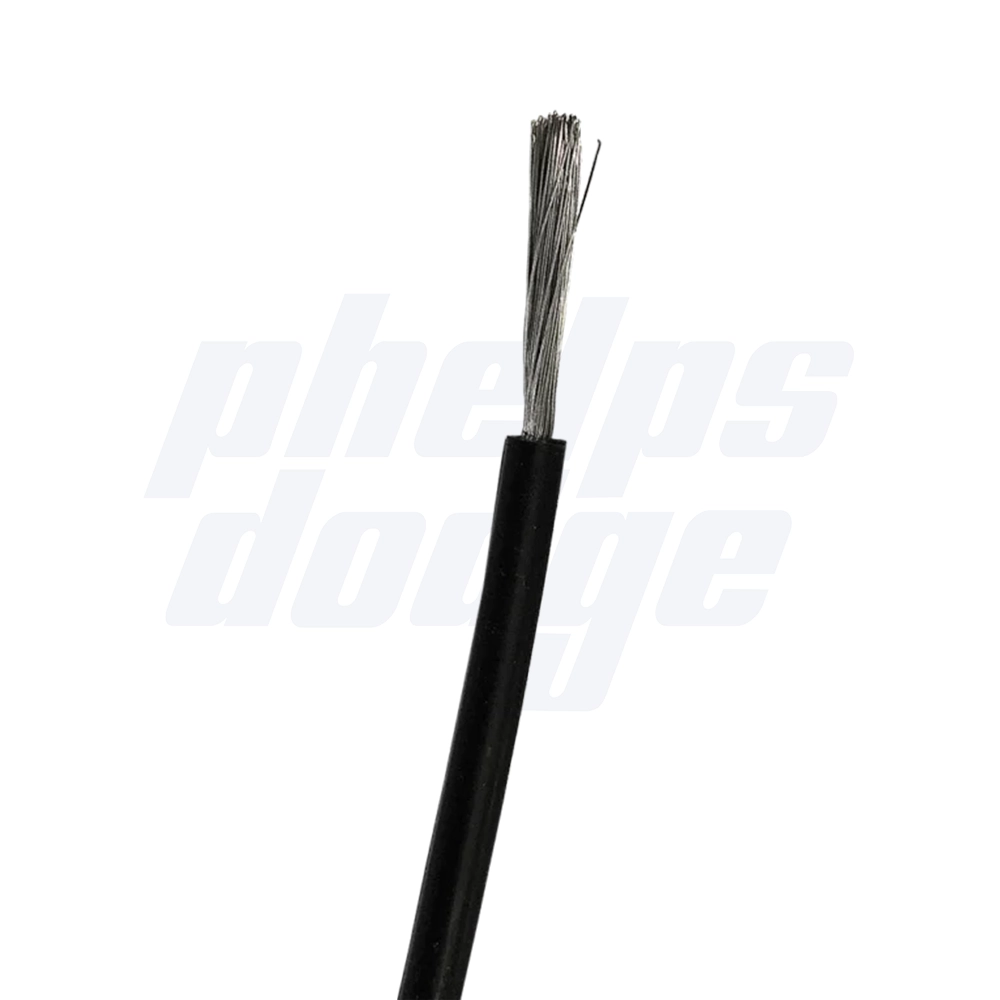
[Phelps Dodge Solar Cables (Photovoltaic Wires)]
Durability
Because PV systems are outdoor installations, ensuring resilience and resistance to damage is a must. It follows that PV cables are engineered to withstand environmental challenges like sun exposure, UV radiation, moisture, and extreme temperatures.
Similarly, the durability of regular cables is measured against the requirements of their respective installations, whether they are indoor or outdoor, residential, commercial, or industrial.
Electrical Performance
As solar panels produce direct current (DC), PV cables are usually DC-rated and specifically designed to transmit generated solar power safely and efficiently, preventing excessive voltage drop and heating. Often, regular cables are rated for both alternating current (AC) and DC, as they are used in more diverse applications.
One key feature of PV cables is that they are made to minimize power losses, ensuring efficient power transmission. This is made possible by the tinned copper conductors, which come with the advantage of low resistance.
Safety
Robust safety and protection are a must for PV cables. As they operate under the heat of the sun and amid the various risks posed by outdoor environments, PV cables are flame-retardant, built to self-extinguish if they catch flame. Additionally, they have low smoke emissions. All of these help to reduce fire hazards and minimize harm in the event of a fire. Outside of fire protection, anti-termite and anti-rodent protection can also be added to PV cables.
While there are also regular or general-purpose cables that are designed for safety and flame retardancy, they are not necessarily suitable for PV system applications.
Choosing the right PV cable
When selecting a good PV cable, it is essential to refer to the requirements of one’s installation. Take into account important factors such as the system’s voltage and expected load, the solar panels’ maximum power output, the cable’s length and layout, environmental conditions, and compliance standards.
Phelps Dodge is the Philippines’ leading manufacturer of safe, high-quality electrical cables, including a UV-resistant PV cable with an annealed, tinned, flexible copper conductor. In addition, Phelps Dodge is the proud partner of many solar power generation projects all over the country, supporting the Philippines’ transition to cleaner, greener energy sources. Power up your PV system with us—inquire today!