
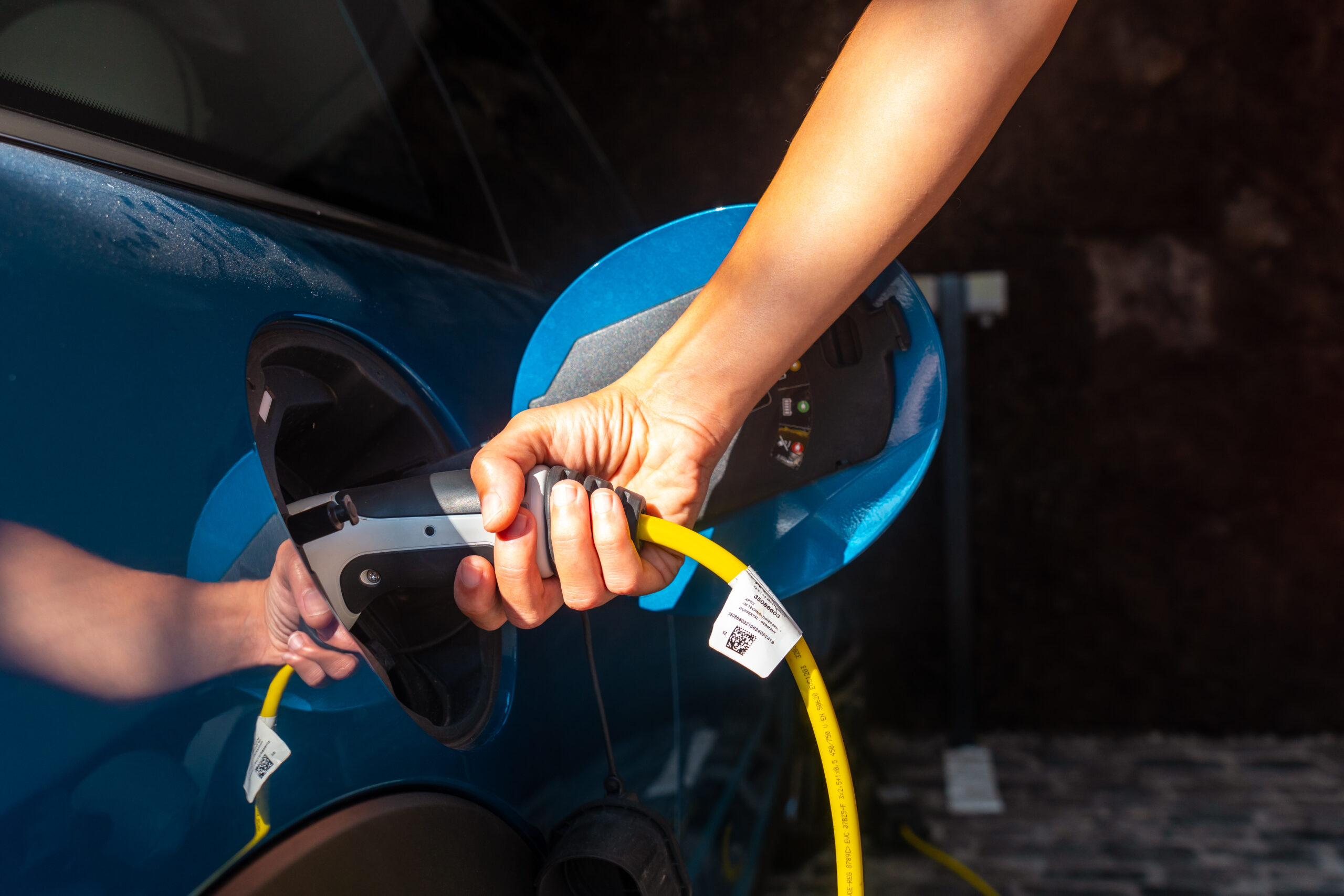
All over the world, electric vehicles (EVs) are on the rise, with the Philippines seeing higher EV sales year after year. With this comes the need to understand how EVs work and the components behind their operation—especially their cables, which differ from the traditional automotive wires used in internal combustion engine (ICE) vehicles. Read on to learn the key differences between conventional auto cables and the EV cables now emerging.
Back to the Basics: Traditional Auto Wires
Conventional fuel-powered cars typically use two kinds of auto wire: primary wire and battery cables. The primary wire is general-purpose, serving different applications such as in engines and lighting. Phelps Dodge offers auto wires with fine-strand copper conductors, insulated up to 85°C and made for flexibility.
On the other hand, the heavier battery cable is exclusively used to power the car’s electrical system. There are two common types of traditional car battery cables: lead-acid battery cables, found in ICE cars with lower voltage needs; and copper core cables, which are either PVC or cross-linked, more flexible, and more durable against heat and wear. Our battery cable or heavy gauge wire is PVC-insulated, with stranded copper wires for reliable conductivity.
In with the New: EV Cables
There are two cable types associated with use in EVs: high-voltage cables and a charging cable type. High-voltage cables are located inside the car, in wire harnesses. They are used in the inner wiring, in the electric motor or powertrain, to connect the ports, and to power the vehicle. Meanwhile, the term “EV cable” usually pertains to charging cables, which connect the car to an external electrical source.
Charging cables come in two variations: Type 1 and Type 2. Type 1, designed for older-generation EVs, facilitates recharging with a five-pin plug, and is commonly used in homes and workplaces across North America and parts of Asia. Meanwhile, the most popular electric car manufacturers now opt for Type 2, which is what you are likely to find at charging stations, both public ones and personal stations at home. Type 2 EV chargers have become the universal standard in Australia and Europe, consisting of a 7-pin oval design that offers unique features, like scheduled charging, dynamic load management, and solar integration when paired with smart chargers.
Differentiating EV Cables from Traditional Auto Cables
The chief reason for the use of EV cables is that they are precisely designed to handle higher electrical currents, unlike ICE car cables, which are typically low-voltage. As such, EV cables are specially built to better withstand higher voltages and temperatures, ensuring the safe and long-lasting functionality of the vehicle.
Single-Phase Charging vs. Three-Phase Charging
Most modern electric car models support both single-phase and three-phase charging. Essentially, the differences lie in the number of cable conductors and the charging speed. With single-phase charging, the car is typically charged using at least two conductors. With three-phase charging, power flows through three conductors, resulting in faster charging. Phelps Dodge EV charger and equipment come in both single-phase and three-phase output variations, complete with protection against overcurrents, short circuits, and leakages, plus other advanced but user-friendly functions.
The Road to Sustainability
The steadily growing popularity of EVs in the Philippines reflects a positive shift to sustainability, helping reduce the significant carbon footprint generated by transportation. Along with the consumer demand for EVs themselves, so increases the need for their components, including the cables that make up their inner workings. Learning the purposes and specifications of EV cables is beneficial not only to those in the auto and electrical industries, but to EV drivers as well.
With its own commitment to sustainability, Phelps Dodge produces efficient, innovative, and long-lasting solutions with care for the environment in mind. Connect with us for your electrical needs today!